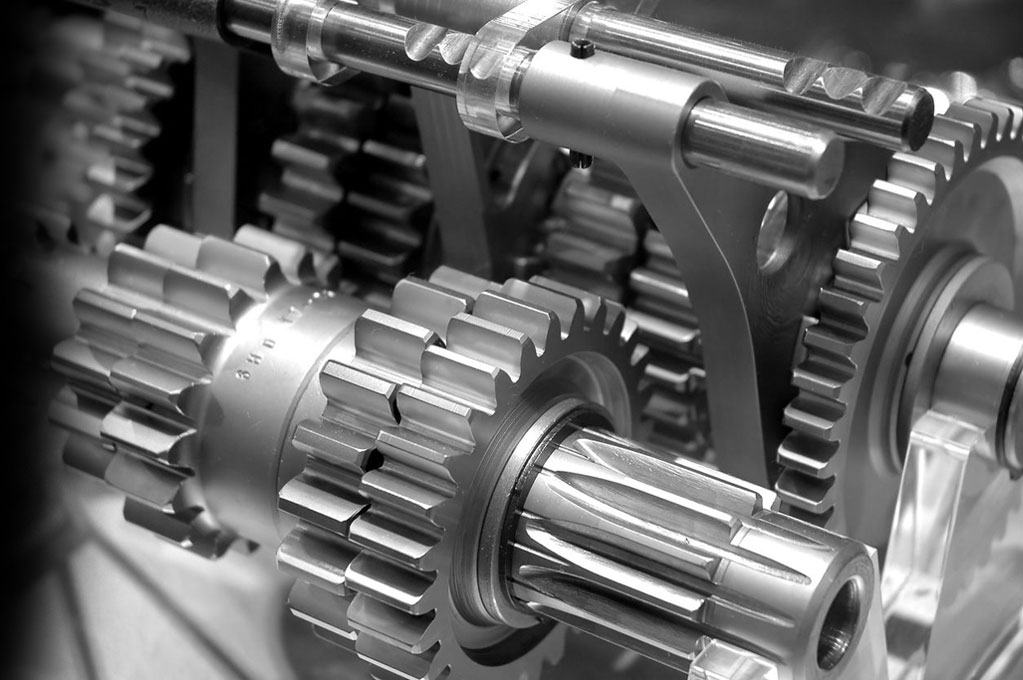
Stainless steel electropolishing is an electrochemical process by which the surface material is removed and refinished to improve the material's longevity and performance. Stainless steel electropolishing improves the near-surface chemistry of stainless steel metal parts by removing embedded particles and inclusions and improving the atomic ratios of the material's alloying elements. The electropolishing process enhances the stainless steel's corrosion resistance properties, makes the material easier to clean, and gives the material a striking finish.
Stainless steel is one of the most popular alloys to electropolish because it combines desirable mechanical properties with a known and proven corrosion resistance. All stainless steels are iron-based alloys (minimum 50% iron) and have at least 10.5% chromium. The chromium content is the key to stainless steel's elemental corrosion resistance. When exposed to oxygen, the chromium spontaneously forms a passive oxide layer. This passive oxide layer is very thin, yet it prevents further oxygen diffusion into the base material and thus prevents corrosion. Stainless steel electropolishing enhances the passive oxide layer by making it thicker and more resistant to harsh environments.
Harrison Electropolishing is well suited to provide electropolish services for many industries such as Marine, Oil & Gas, Semiconductor, Pharmaceutical, Petrochemical, Solar, Pulp & Paper, Aerospace & more. In addition, we are compliant with the following stainless steel electropolishing standards:
INDUSTRY STANDARDS
ASTM B912
Standard Specification for Electropolishing Stainless Steel Alloys
SEMI F17
Specification for High Purity Quality Electropolished 316L Stainless Steal Tubing, Component Tube Stubs and Fittings Made from Tubing
SEMI F19
Specification for wetted surface finishes of electropolished 316L stainless steal components
Common Electropolished Stainless Steel Alloys 
- 304 Stainless Steel
- 316 and 316 L Stainless Steel
- 17-4 pH
- 2205 Duplex Stainless Steel
- Other Duplex Stainless Steels
Mechanical Finishes Common to Stainless Steel
#4 finish is one of the many generally accepted, mechanical finishes which are often used in the metal finishing industry. Both the NiDi No. 9012 and previous revisions of ASME BPE specifications include a list that describes various mechanical surface finishes for stainless steel. A few common finishes include:
#4 finish - A widely used, general purpose finish produced by finishing with a 120-150 mesh abrasive. This finish is commonly found on architectural panels and stainless steel kitchen appliances and sinks.
#2B finish - A bright, cold-rolled finish. This finish is a standard finish for raw sheet metal and is produced at the mill.
#8 finish - A highly polished, highly reflective, "mirror like" surface . This finish is produced by polishing with successively finer abrasives followed with extensive buffing.
We offer quick turnaround times and our proprietary electropolishing techniques allow us to process equipment of any size at our facility or in the field. Request a quote below: